
HOA Access Control in Orange County: Pools, Gates and Amenities
Defender Solution installs HOA access control in Orange County for pools, tennis and pickleball courts, clubhouses, gyms and vehicle gates. Residents open doors with a phone, a fob or a card. Meanwhile, the board or the manager can turn access on or off in seconds.
Quick answer: Good HOA access control replaces shared keys with a resident list that the board controls. First, we survey every gate and amenity door. Then we install weatherproof readers, set amenity hours and enroll residents, so only current members get in.
- Phone, Bluetooth, fob or card entry for pools, courts and clubhouses.
- Vehicle gates with resident tags, plate cameras and visitor codes.
- Amenity hours and guest passes, so doors lock again at closing.
- Licensed C-10 contractor #1108033, based in Fountain Valley.
Why HOAs replace keys with HOA access control
Pool keys get copied, and former owners or renters often keep them. As a result, the board loses track of who can get in. Rekeying every lock after one lost key is also expensive.
With HOA access control, however, each resident has their own credential. So the manager can:
- Add or remove a household in seconds, for example when a home sells.
- Pause access as your community rules allow, without changing any locks.
- See who opened each gate or door, and when.
- Set different hours for the pool, the gym and the courts.
Pool and tennis court access with phones and Bluetooth
Residents carry their phones everywhere, so phone entry is the easiest choice for most communities. Instead of searching for a key, they tap the reader or open the app.
- Bluetooth and app entry at pools, tennis courts and pickleball courts.
- Fobs and cards for residents who prefer them, especially older members.
- Amenity schedules, so the pool gate locks again after hours.
- Guest passes that only work on set days, such as for a party or a swim coach.
- Outdoor-rated readers that handle sun, rain and pool chemicals.
We also work with your existing gate hardware, so the pool gate still closes and latches on its own, as pool safety rules require.
Vehicle access control for gated communities
The main gate is usually the busiest entry in the community. Therefore, it needs to be fast for residents and still controlled for visitors.
- Resident tags or long-range readers, so the gate opens as the car pulls up.
- License plate cameras that record every car at the gate. For camera options, see our security camera installation in Newport Beach.
- Video intercoms and visitor codes for guests and deliveries. For example, we install and repair ButterflyMX intercoms.
- App and phone entry for residents who forget their tag.
- Emergency access that stays working, such as the fire department key switch.
Clubhouses, gyms, mail rooms and garages
The same system can also control other shared doors. That way, residents use one credential everywhere, and the manager keeps one list.
- Clubhouse and event room doors, with booking hours.
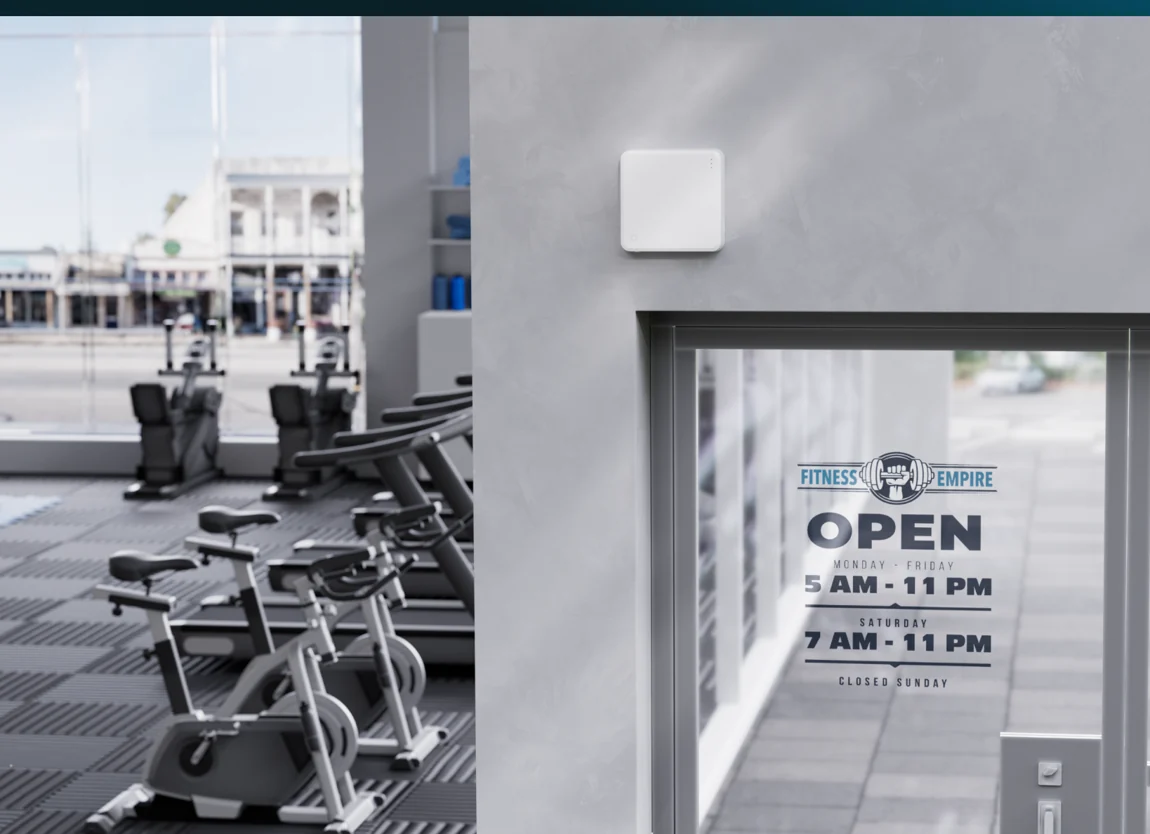
- Fitness centers, often open early and late.
- Mail and package rooms, where theft is common.
- Parking garages and storage areas in condo buildings.
How the board and the manager run the system
Most HOA access control systems we install today are managed in the cloud. So there is no server to maintain in the clubhouse.
- The community manager adds and removes residents from a web dashboard.
- Board members can see reports, for instance how often the pool is used.
- Changes reach every gate and door within seconds.
- Finally, we train the manager and leave simple written steps.
How an HOA access control project runs
- 1. Site walk: first, we visit every gate and amenity door with the manager or a board member.
- 2. Board proposal: next, we send a written plan and price that the board can review and vote on.
- 3. Install: then we install readers, controllers and cable, while keeping amenities open where possible.
- 4. Resident enrollment: after that, we load the resident list and help residents set up phones or pick up fobs.
- 5. Handoff: finally, the manager gets training, logins and a map of every door.
HOA access control: FAQ
Can residents use their phones to open the pool gate?
Yes. Most systems we install let residents open the pool gate, the tennis court or the clubhouse with a phone app or a Bluetooth tap. In addition, residents without a smartphone can use a fob or a card instead.
What happens to HOA access control if the internet goes down?
Most systems we install keep the resident list on the door controller itself. So doors and gates keep working during an outage, and any changes sync once the connection comes back.
Can we limit pool hours and guest access?
Yes. The board or the manager sets hours for each amenity, and the doors lock again at closing time. You can also give guests or vendors a pass that only works on certain days and hours.
Can you reuse our existing gate operator and readers?
Often, yes. First, we check the gate operator, the wiring and the current controller. Then we tell you what can stay and what should be replaced, so the HOA does not pay for parts it does not need.
How much does HOA access control cost?
The cost depends on the number of gates and doors, the software plan, and any trenching or new cable. For typical ranges, see our security system pricing guide. After a site walk, we give the board a written proposal.
Areas we serve
We install HOA access control across Orange County, including Irvine, Newport Beach, Costa Mesa, Huntington Beach, Fountain Valley, Laguna Beach, Mission Viejo and Laguna Niguel.
Related services
- Home security systems in Orange County
- Access control installation in Irvine
- Security systems in Costa Mesa
- ButterflyMX installation and repair
- Security system maintenance plans
Get a site survey
Is your board planning new HOA access control, or replacing an old gate system? Call (714) 860-9866 or request a site survey online. Defender Solution is a California C-10 licensed contractor (#1108033), and you can verify our license on the CSLB website.